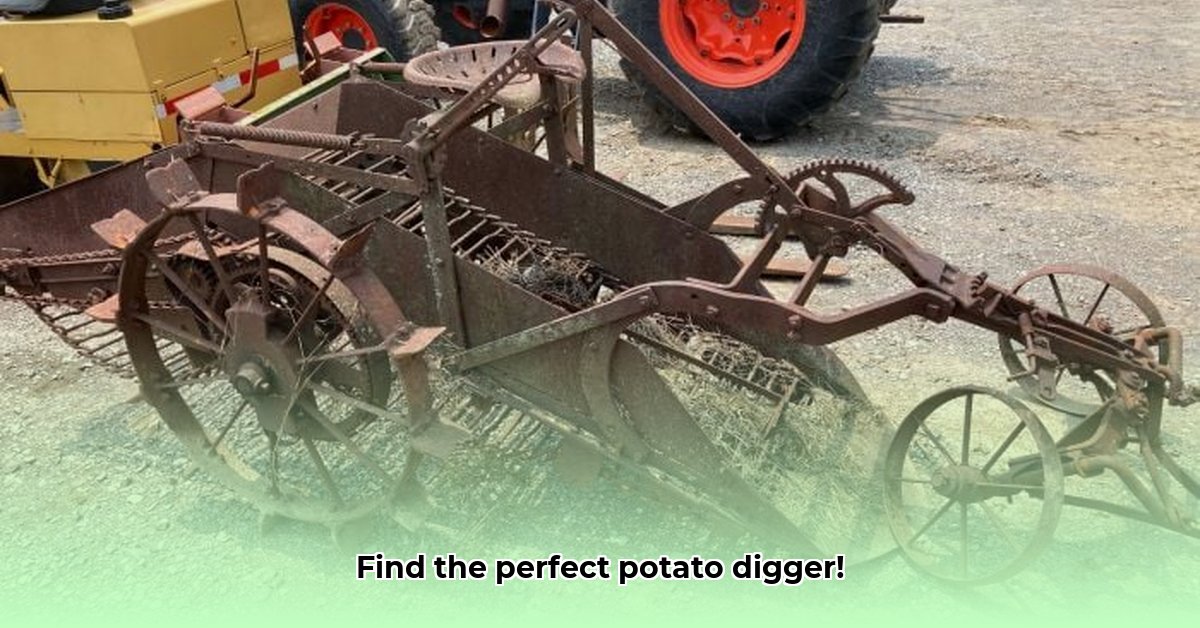
Getting a good potato harvest hinges on smart decisions, and choosing the right potato digger tractor is paramount. This comprehensive guide helps you select the perfect machine for your farm, saving you time, money, and effort. We'll explore different digger types, compare popular models like the Spedo, D-10T, and D-10M, and provide a step-by-step process for maximizing your investment. Whether you're a seasoned farmer or just starting, this guide will help you achieve a successful harvest. For smaller farms, consider compact tractor options.
Understanding Your Potato Digger Options
Several potato digger types cater to various farm sizes and needs. Understanding their unique features and limitations is key to making the right choice.
1. PTO-Driven Diggers: These powerful diggers connect directly to your tractor's power take-off (PTO) shaft, extending your tractor's engine power. Ideal for large-scale operations requiring significant digging power, they demand a tractor with sufficient horsepower. Insufficient horsepower can lead to performance issues and increased strain on equipment.
2. 3-Point Hitch Diggers: Offering greater flexibility, these attach to your tractor's three-point hitch. Generally more budget-friendly and easier to maneuver than PTO-driven models, they are a popular choice for smaller farms or those with varied terrain. Their versatility makes them suitable for diverse farming operations.
3. Self-Propelled Diggers: Independent units not requiring a tractor, they offer exceptional maneuverability, particularly in tight spaces or around obstacles. However, their high initial investment makes them more suitable for farms with continuous large-scale harvesting needs. This high initial cost should be factored into the overall ROI calculation.
Comparing Top Potato Digger Models
Choosing the right digger depends on your unique circumstances. The following table compares popular models, noting that prices and capacities are estimates and will vary based on several factors. Soil conditions and potato size significantly influence digging capacity. Always verify specifications with the manufacturer or dealer.
| Model | Price Range ($) | Horsepower Range | Approximate Digging Capacity (acres/hour) | Ease of Use | Maintenance Needs | Reliability (Generally) |
|---|---|---|---|---|---|---|
| Spedo | 4,900 - 6,500 | 20-40 HP | 2-4 | High | Moderate | Excellent |
| D-10T | 6,000 - 8,600 | 30-50 HP | 3-5 | Moderate | Moderate | Excellent |
| D-10M | 5,500 - 7,500 | 25-45 HP | 2.5-4 | Moderate | Moderate | Excellent |
Choosing the Right Potato Digger: A Step-by-Step Guide
Selecting the ideal digger involves matching the machine to your farm's specific needs. Follow these steps:
Step 1: Assess Your Farm's Acreage: Larger acreages demand higher-capacity diggers for efficient harvesting. Smaller farms can opt for less-powerful models.
Step 2: Analyze Your Soil Type: Rocky or tough soil requires a robust digger capable of handling obstacles. Lighter soil allows for potentially less powerful, more affordable models.
Step 3: Budget Strategically: Consider the initial purchase price and long-term operation costs (fuel, maintenance). A slightly more expensive, fuel-efficient model may prove more cost-effective in the long run.
Step 4: Prioritize Usability and Maintenance: A user-friendly machine minimizes frustration and downtime. Consider the long-term maintenance requirements; some models require more frequent servicing and potentially higher parts replacement costs.
Step 5: Research Reliability: Consult other farmers, read reviews, and gather information from multiple sources before purchasing. This helps understand long-term performance and potential issues.
Pre-Harvest Preparation and Safe Operation
Proper preparation is crucial for efficient and safe harvesting.
1. Field Preparation: Clear the field of debris, rocks, and large clods to prevent digger damage and ensure smooth operation. A well-prepared field leads to a more efficient harvest.
2. Proper Setup: Follow the manufacturer's instructions precisely for optimal performance and to prevent damage. A proper setup minimizes potential problems during operation.
3. Safety Precautions: Prioritize safety; never operate equipment without proper training. Adhere to all safety guidelines in the operator's manual. Safety should always be the top priority.
4. Adjust Settings: Adjust digger settings to accommodate varied field conditions and potato sizes. Fine-tuning optimizes performance and minimizes potato damage. Understanding the different settings and having the ability to adjust them appropriately is critical.
Maintenance: Prolonging Equipment Lifespan
Regular maintenance is crucial for extending equipment life and preventing expensive repairs.
Routine Tasks:
- Regular lubrication of moving parts
- Inspection of chains and sprockets for wear and tear
- Checking hydraulic fluid levels
- Thorough cleaning and inspection of digging mechanisms.
Addressing Problems Promptly: Addressing issues like a loose wheel bracket (a common problem) immediately prevents further damage and costly repairs. Proactive maintenance significantly reduces downtime and repair expenses.
Cost Analysis and ROI
A potato digger represents a significant investment. To determine ROI:
- Initial Cost: Include the digger’s purchase price, delivery, and installation expenses.
- Operating Costs: Factor in fuel consumption, routine maintenance, potential repairs, and labor costs.
- Labor Savings: Compare manual versus mechanical harvesting labor costs to assess potential savings. This directly impacts the overall profitability of your operation.
Subtract your total costs from your total revenue to determine your ROI. This clarifies whether a potato digger is a sound investment for your farm.
Environmental Impact: Sustainable Practices
Mechanical harvesting offers significant efficiency gains but also environmental considerations. Fuel efficiency and soil compaction are critical factors. Consider diggers with wider wheels or explore alternative sustainable harvesting techniques to lessen environmental impact.
Conclusion: Making the Informed Choice
Choosing the right potato digger significantly impacts your farm's efficiency and profitability. By carefully assessing your unique needs, comparing models, and following the steps provided in this guide, you can make the optimal investment for your farm's future. Remember that thorough research and consultation with experienced farmers are invaluable.